
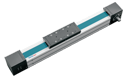
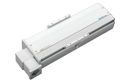
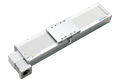
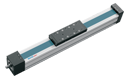
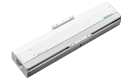
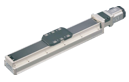
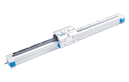
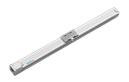
JTS Series Sealed Screw Type Linear Actuator
JTS Series Sealed Screw Type Linear Actuator is suitable for automation systems that need stable screw-driven motion in dusty or particle-prone environments.Its enclosed module structure and dust-proof sliding table design help protect the ball screw and guide components from particles and contaminants.For applications such as 3C welding dust, spraying workshops, clean-room production, dispensing, inspection and precision assembly, the JTS Series can help protect the internal ball screw and guide components from dust and contaminants. As an industrial ball screw linear actuator, it is a strong option when the equipment requires stable thrust, repeatable positioning, compact installation and better environmental protection than open-type screw modules.
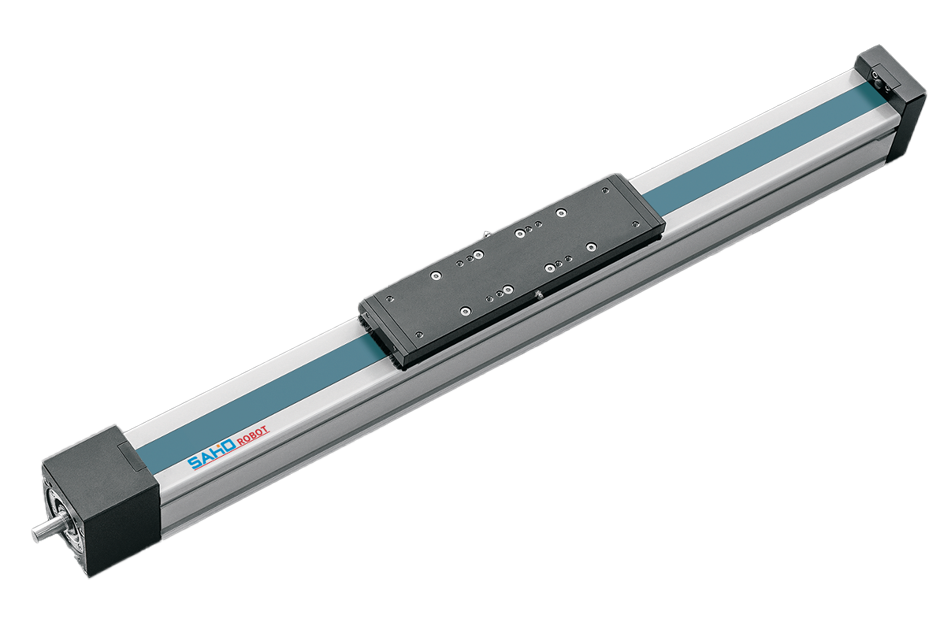
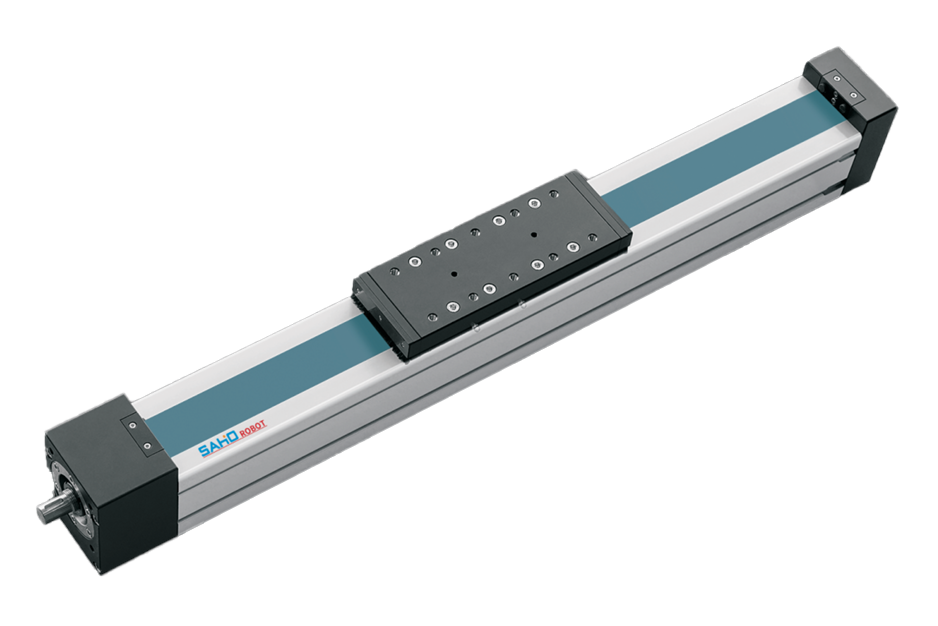
JTS Series Sealed Screw Type Linear Actuator Frequently Asked Questions
What is the JTS Series sealed screw type linear actuator?
The JTS Series is an enclosed screw type linear actuator designed for stable screw-driven motion in dusty or particle-prone automation environments.
Why is JTS suitable for dusty environments?
The enclosed module structure and dust-proof sliding table design help protect the ball screw and guide components from particles, welding dust, spraying dust and other contaminants.
How is JTS different from an open ball screw module?
Compared with an open screw module, JTS provides better environmental protection while keeping the accuracy and thrust advantages of ball screw transmission.
Which applications are suitable for JTS Series actuators?
JTS is suitable for 3C welding dust environments, spraying workshops, dispensing, inspection equipment, precision assembly and automation systems requiring protected screw-driven motion.
Can JTS be used for vertical positioning?
Yes, when properly sized, the ball screw drive structure can support vertical positioning and lifting tasks where stable thrust and repeatable movement are required.
How do I choose the correct JTS model?
Choose the JTS model according to load, stroke, speed, environmental dust level, repeatability requirement, mounting direction and the available installation space in the equipment.