
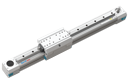
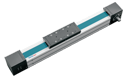
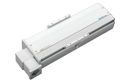
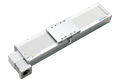
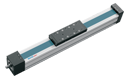
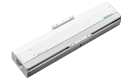
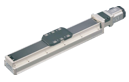
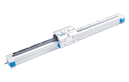
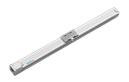
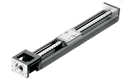
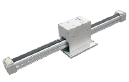
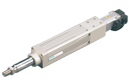
SDM Series Ball Screw Linear Actuator
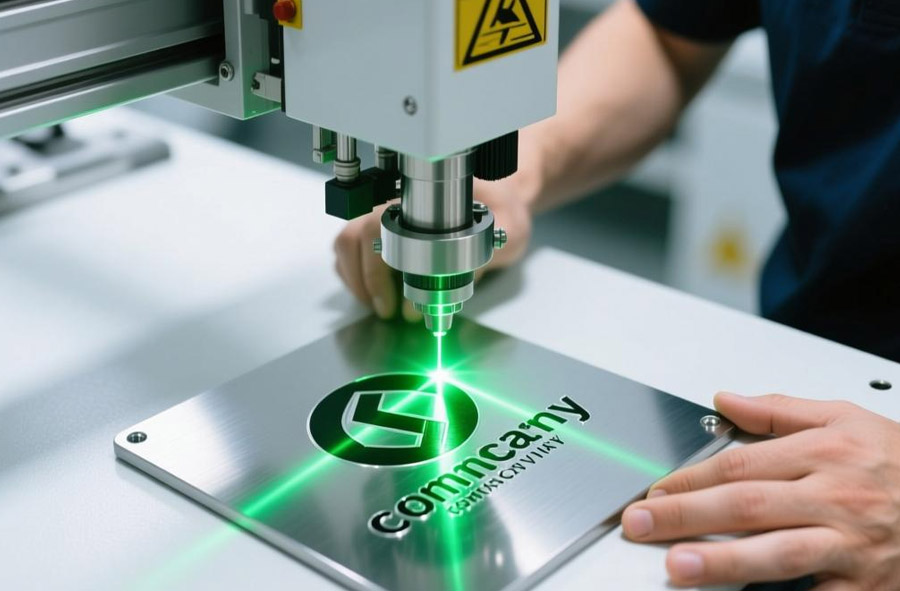
The SDM Series is a ball screw linear actuator designed for stable positioning, high repeatability and high-load linear motion in general automation environments. With a rigid aluminum profile, precision ball screw drive and linear guide structure, the SDM screw actuator provides smooth movement, accurate positioning and reliable performance for industrial automation equipment. This automation ball screw linear module is suitable for precision assembly, inspection equipment, laser processing, electronic component production, battery equipment, vertical axis applications and multi-axis linear robot systems. Multiple models including SDM75, SDM100, SDM120, SDM136, SDM175, SDM210 and SDM270 are available to meet different load, stroke, speed and installation requirements.
Product Series
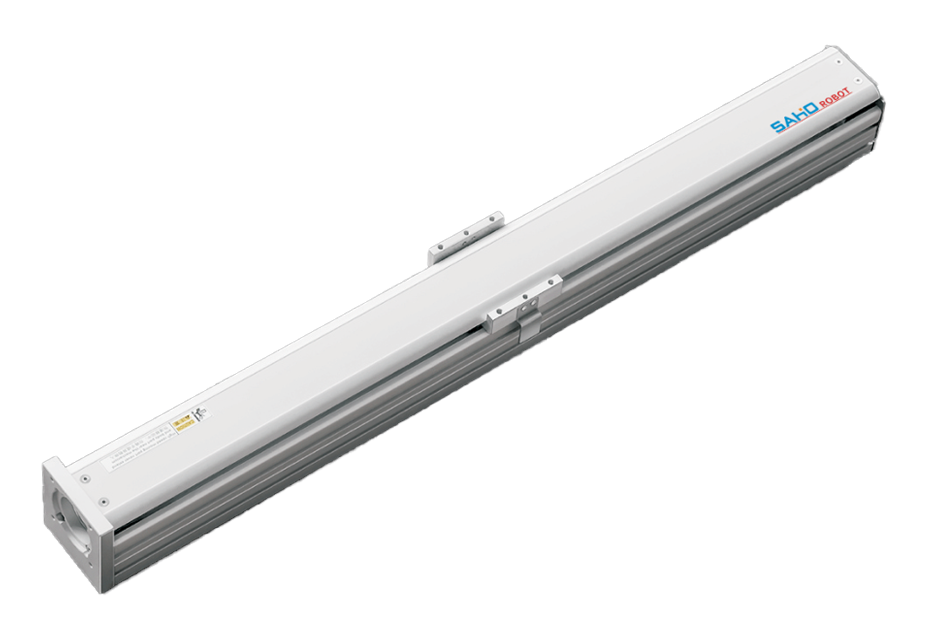
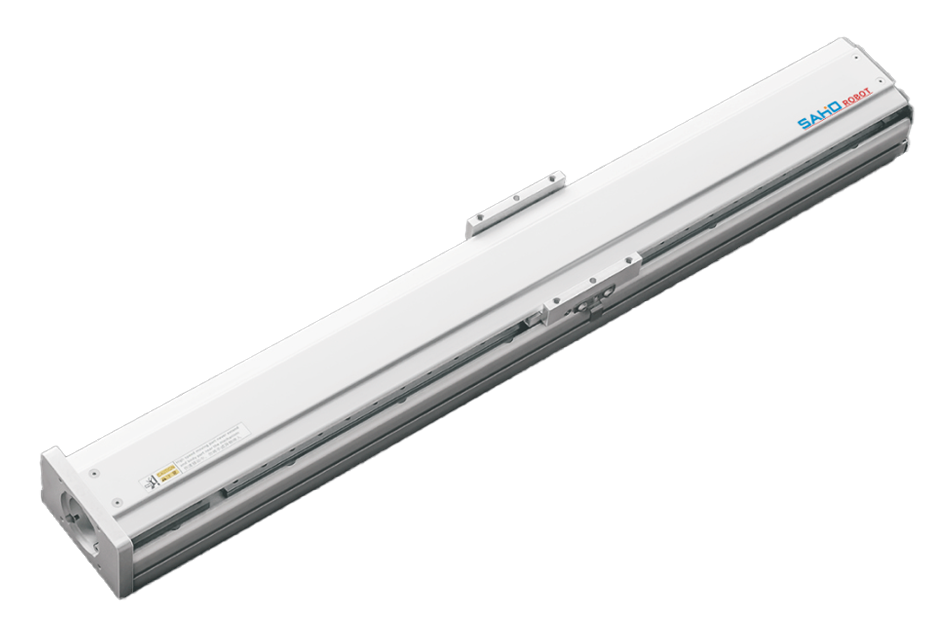
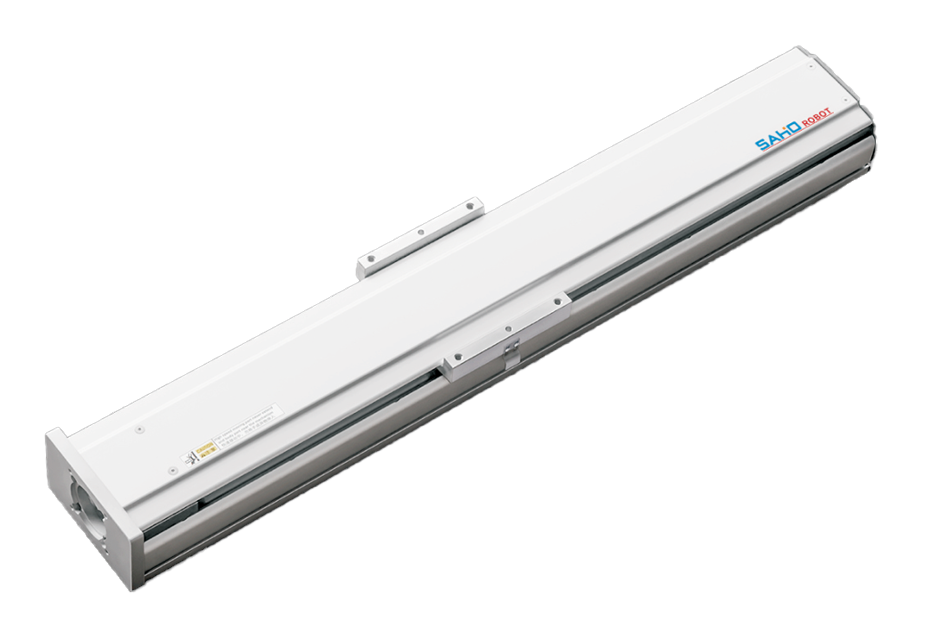
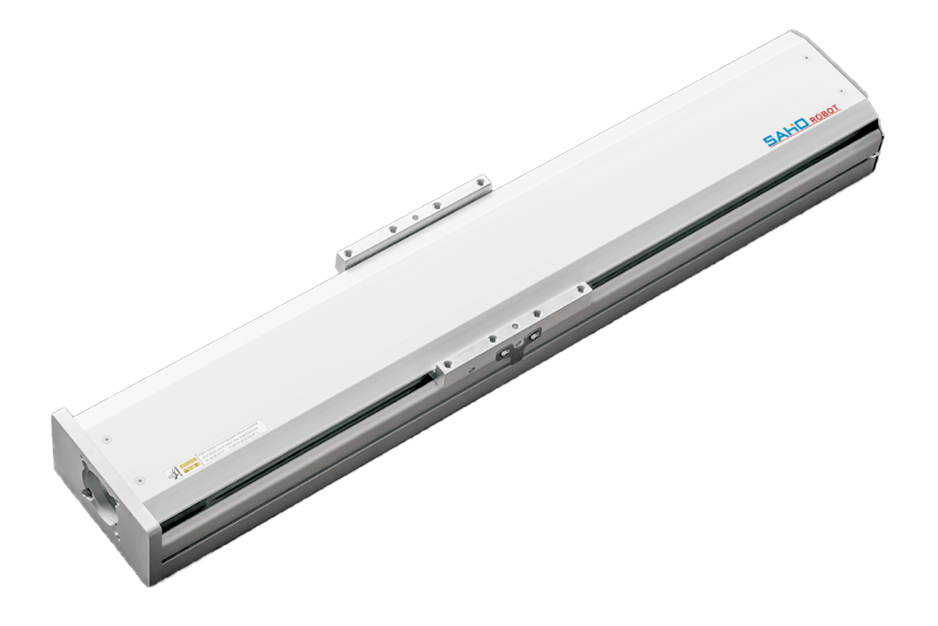
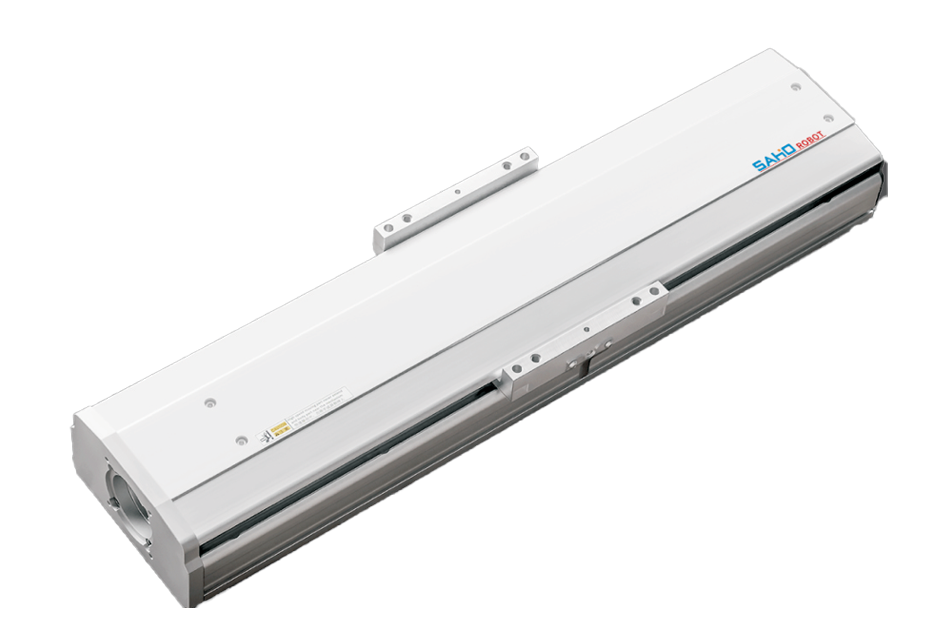
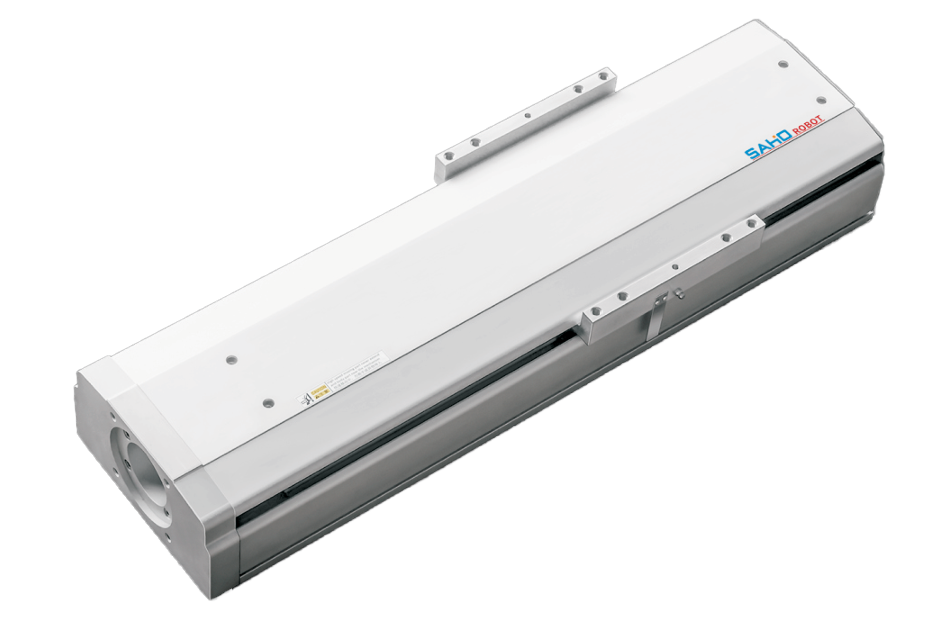
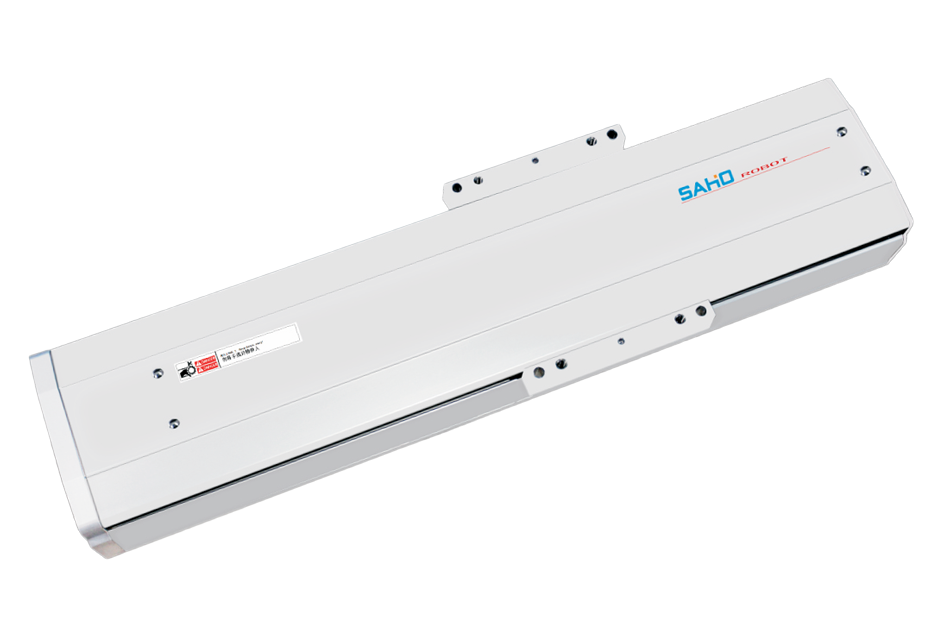
Features of SDM Ball Screw Linear Actuator
High Repeatability
The precision ball screw drive structure provides stable positioning and high repeatability for assembly, inspection and positioning applications.
High Load Capacity
The SDM ball screw linear actuator is suitable for applications requiring higher thrust force, rigidity and load capacity than belt driven linear actuators.
Stable Linear Guide Structure
The integrated ball screw and linear guide design supports smooth motion, compact installation and reliable operation in general automation environments.
Flexible Automation Integration
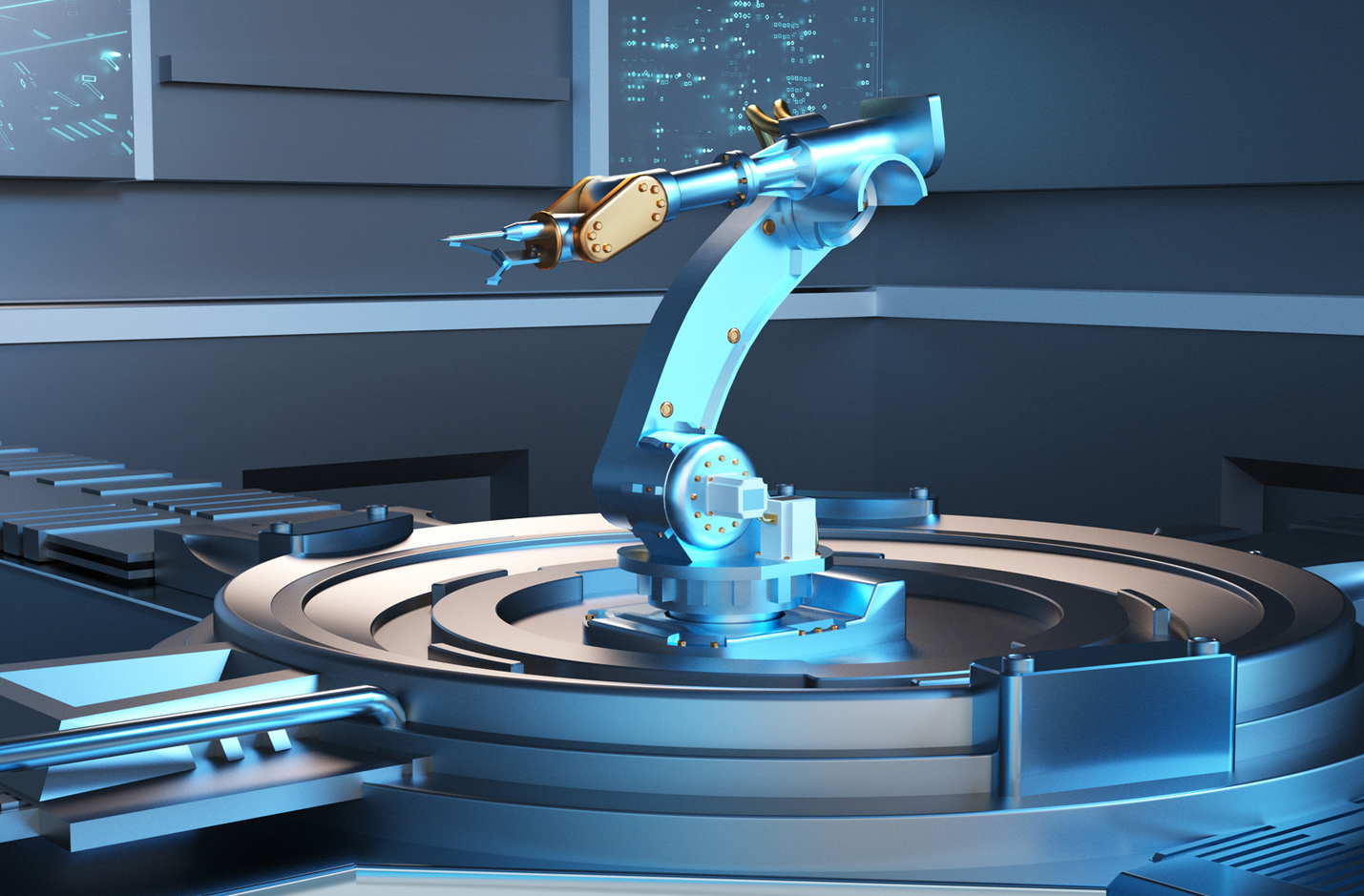
SDM screw actuators can be used as a single linear axis or combined into XY, XYZ and gantry linear robot systems according to the application.
SDM Ball Screw Linear Actuator FAQ
What is the SDM Series ball screw linear actuator?
The SDM Series is a ball screw linear actuator for stable positioning, high repeatability and high-load linear motion in general industrial automation environments.
When should I choose SDM instead of a belt driven actuator?
Choose SDM when the equipment requires higher positioning accuracy, better rigidity, stronger thrust or vertical movement. A belt driven actuator is more suitable for high-speed long-stroke transfer.
Is SDM suitable for vertical axis applications?
Yes. The ball screw drive structure gives SDM better load holding and thrust capability, making it suitable for vertical positioning, lifting and precision assembly tasks when properly sized.
What is the maximum speed of the SDM Series ball screw linear actuat...
The maximum speed of the standard SDM Series ball screw linear actuator is typically up to 1,000 mm/s. For higher-speed requirements, please contact SAHO engineers to confirm whether a customized solution is available.
How do I select the correct SDM model?
Choose the model based on payload, stroke, speed, required repeatability, mounting direction, motor size and whether external guide support or multi-axis integration is needed.
What maintenance does the SDM Series require?
Regular inspection of lubrication, screw condition, guide rail movement, coupling alignment and operating noise helps maintain stable positioning accuracy and extend service life.
SDM Ball Screw Linear Actuator Applications
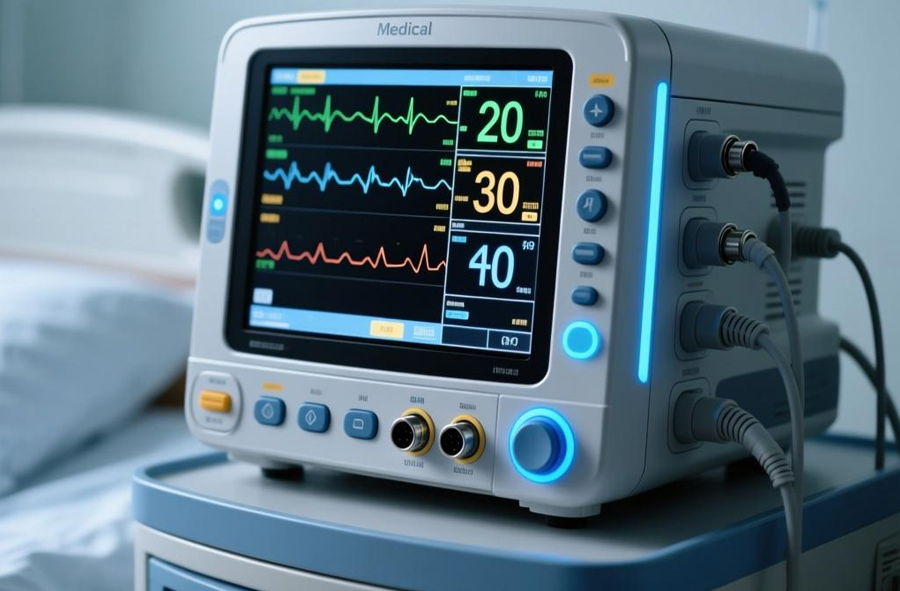
SDM ball screw linear actuators and screw type linear actuator modules are used in precision assembly, laser processing, inspection equipment, medical automation, lithium battery production, electronic component assembly, automotive equipment and solar cell handling.